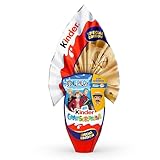
Who knows what’s inside? The (inconvenient) truths hidden in Easter eggs

The magic of the egg-or of marketing?
Every year at Easter millions of Italians buy chocolate eggs for young and old, attracted by colorful packaging, famous characters and promising surprises. But behind the allure of the Easter egg lies a world of driven marketing, business strategies and sometimes … some cleverness. Now that the egg has been unwrapped and the chocolate is (almost) finished, it is a good time to reflect: did we really make a quality purchase?
Is “artisanal” just a label?
In recent years, the fashion for “artisanal” eggs has exploded, often sold at premium prices in bakeries, delis and even online. But the reality is that the term “artisanal” has no strict regulatory definition in the confectionery industry. This leaves room for very broad interpretations: there are products made with industrial, mass-produced molds that still bear the label “handmade” or “artisan.” If you bought an “artisanal” egg, take a look at the label: do you find a workshop with limited production or a company that churns out thousands of pieces?
“Exclusive” surprises or chinoiserie with a bow?
Many Easter eggs are sold by emphasizing the presence of a “unique,” “limited edition,” or even “collectible” surprise. However, by taking a tour on Chinese marketplaces such as AliExpress, it is easy to find identical versions of those surprises sold in stock for pennies. Some creators on TikTok have taken apart and compared the surprises, revealing a disturbing similarity. If the surprise you found looks generic, made of lightweight plastic or a design you’ve seen before–it probably wasn’t that exclusive.
Chocolate? Yes, but not too much
Many mid- to low-end eggs are presented as “chocolate,” but upon closer inspection, real chocolate is only part of the story. Unspecified vegetable fats (palm, coconut), artificial flavorings and a very low cocoa content appear in several packages. In addition, some products use surrogate chocolate, that is, a compound that looks and tastes like chocolate but does not have the same nutritional and quality characteristics.
Here’s what to look for to see if you’ve bought a good egg:
- Essential ingredient list: sugar, cocoa butter, cocoa mass, milk powder, natural vanilla. Nothing else.
- Absence of undeclared vegetable fats: only cocoa butter, nothing else.
- Cocoa percentage: in dark chocolate at least 50-60%, in milk at least 30-35%.
- Avoid vague wording: “chocolate-flavored preparation” is often a substitute.
If these items are missing or seem too general, chocolate was probably more marketing than substance.
When price does not make quality
Paying more does not necessarily mean buying better. Some of the most expensive eggs on the market (30 euros and up) are not significantly different from 10-15 euro eggs, except for the brand or licensed character. In many cases you pay for the license, the famous testimonial, or simply the more attractive packaging. The real quality differences are found only by carefully reading the ingredients and, when possible, tasting the product. If you now find yourself with a famous brand egg but disappointing taste, you are not alone.
Conclusions: between tradition and transparency
So, after unwrapping the egg, tasting the chocolate and discovering the surprise–did you make a good choice? If reading this article you noticed some detail you missed, don’t worry: it’s not about blame, it’s about awareness. Every year is an opportunity to learn more and improve our decisions. Next time, maybe the egg will be not only nice to look at, but also really good.